
15+ Years Experience
Specialist Sports Hall Flooring
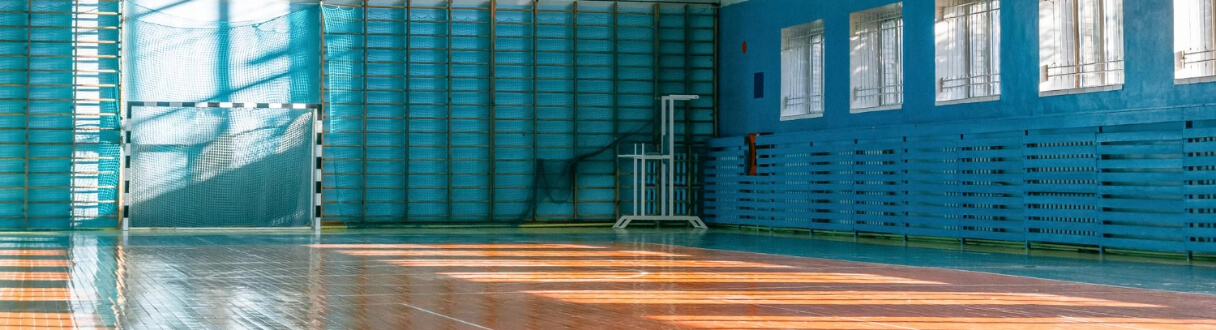
UK facilities install specialist sports hall flooring because multi-use facilities require safe, durable and regulation compliant surfaces.
A professional sports floor improves athlete safety because shock absorption and slip resistance reduce impact injuries.
Organisations invest in certified sports flooring systems because consistent ball rebound, line marking accuracy and surface resilience support competitive play and long term cost control.
This list ranks the best sports hall flooring companies in the UK based on compliance with BS EN standards, material performance, installation quality, sector experience, warranty support and maintenance provision because these factors determine safety, lifespan and lifecycle value.
Education facilities require high impact resistance because daily use by multiple age groups accelerates surface wear. Floors must meet BS EN 14904 standards because school halls host competitive and curriculum sports.
Sports Hall Flooring (sportshallflooring.co.uk) and Indoor Sports Flooring (indoorsportsflooring.co.uk) suit education projects because they combine compliant systems with refurbishment and marking services.
Their experience in academies and local authority schools improves delivery reliability because safeguarding, access and scheduling require specialist management.
Leisure centres require multi-sport compatibility because badminton, basketball, futsal and fitness classes share the same space. Surfaces must balance durability and comfort because high footfall increases abrasion and compression.
Gerflor (gerflor.co.uk) and Vinyl Sports Flooring (vinylsportsflooring.co.uk) perform strongly in this sector because advanced vinyl systems deliver consistent grip and hygiene.
Their cushioned constructions reduce joint stress because layered underlays absorb repeated impact.
Training facilities require reinforced flooring because free weights and heavy equipment generate concentrated loads. Impact and noise control matter because dropped weights damage subfloors and disrupt adjacent spaces.
Commercial Gym Flooring (commercial-gym-flooring.co.uk) suits this segment because high-density rubber systems protect structural decks and reduce vibration.
Custom layouts support functional training zones because different activities demand varied surface performance.
Sports Hall Flooring (sportshallflooring.co.uk) supplies and installs timber, vinyl and multi-use sports systems across the UK because schools and councils need compliant turnkey solutions.
The company provides sprung floors, sanding and refurbishment because long term performance depends on structural resilience and surface renewal.
Its integrated line marking and maintenance services reduce outsourcing risk because single provider management improves consistency.
Indoor Sports Flooring (indoorsportsflooring.co.uk) focuses on indoor court systems for education and leisure venues because controlled environments require specialist surface design.
The company delivers sanding, sealing and testing because surface friction and flatness affect safety and playability.
Its experience in refurbishment projects supports ageing facilities because many UK halls require staged upgrades.
Sports Hall Markings (sportshallmarkings.co.uk) specialises in court line painting and layout design because regulatory compliance depends on accurate measurements.
The company uses calibrated surveying and approved paints because incorrect markings invalidate competition use.
Fast turnaround suits term time and booking schedules because downtime disrupts school and community operations.
Sports Hall Flooring Company (sportshallflooringcompany.co.uk) delivers installation, testing and refurbishment services because clients prefer end to end project control.
The company manages subfloor preparation and moisture testing because substrate failure causes premature delamination.
Its maintenance programmes support lifecycle value because regular inspection prevents structural deterioration.
Commercial Gym Flooring (commercial-gym-flooring.co.uk) supplies rubber and impact resistant systems for sports halls and fitness facilities because strength training areas demand high load tolerance.
Its modular tiles simplify replacement because damaged zones can be isolated without full refits.
Noise reduction improves shared building usability because vibration transfers through concrete slabs.
Gerflor (www.gerflor.co.uk) manufactures specialist vinyl sports surfaces because material engineering improves grip, hygiene and durability.
Its Taraflex systems meet international performance standards because elite sport requires consistent rebound and traction.
Sustainability credentials support public sector procurement because environmental targets influence specification.
Sports Hall Line Markings (sports-hall-line-markings.co.uk) provides precision marking services for indoor courts because multi-sport layouts demand exact positioning.
Laser alignment improves accuracy because manual measurement increases cumulative error.
Regulation compliant finishes ensure acceptance for league play because governing bodies enforce dimensional standards.
Vinyl Sports Flooring (vinylsportsflooring.co.uk) supplies resilient vinyl systems for sports and activity halls because seamless surfaces simplify cleaning and maintenance.
Its cushioned layers reduce fatigue because prolonged play stresses joints and tendons.
Moisture resistant construction suits retrofit projects because older buildings often lack vapour barriers.
Sports hall flooring must comply with BS EN 14904 because this standard governs shock absorption, slip resistance and ball rebound. Fire performance must align with Approved Document B because public buildings require controlled flame spread.
Slip resistance testing and manufacturer certification support risk management because documented compliance reduces liability exposure.
Third party performance data improves procurement decisions because objective testing verifies supplier claims.
Select a supplier based on certified performance because untested systems increase injury and failure risk. Most multi-use halls require Class A3 or A4 floors because moderate to high shock absorption suits diverse sports.
Verify installation credentials because poor subfloor preparation compromises structural integrity. Confirm warranty terms because surface failures often emerge after initial wear cycles.
Assess maintenance support because sanding, recoating and inspection extend service life. Review sector experience because schools, councils and private operators face different regulatory pressures.
Compare pricing models because premium systems cost more upfront but deliver lower lifetime replacement costs.
Consider sustainability performance because public funding and ESG policies increasingly influence material selection.
Sports hall flooring typically ranges from £45 to £120 per square metre.
Costs depend on system type, subfloor condition, markings and access requirements.
Most UK sports halls require compliance with BS EN 14904.
This standard governs shock absorption, vertical deformation and slip resistance.
A well-maintained sports floor lasts 15 to 30 years.
Regular recoating, sanding and moisture control prevent premature failure.
The best sports hall flooring companies in the UK combine certified performance, professional installation and reliable maintenance because safety and durability depend on system integrity.
Selecting the right provider improves athlete welfare and operational value because compliant materials, accurate markings and proper subfloor preparation determine long term performance.
Prioritise experience, testing and aftercare to achieve sustainable, regulation compliant sports facilities.
Sports Hall Flooring provides professional sports hall flooring services for schools, academies, leisure centres and community venues across the UK.
Our customers choose sportshallflooring.co.uk because we deliver safe, compliant and long-lasting floors, backed by clear communication and dependable service. Below, you can read genuine feedback from clients who have worked with us and rated our service five stars.
Customers describe Sports Hall Flooring as reliable, professional and easy to work with because the team communicates clearly and delivers what is promised.
“The team at Sports Hall Flooring (sportshallflooring.co.uk) handled everything professionally from the first survey to final handover. The new floor has transformed our sports hall because it is safer, quieter and looks superb.”
★★★★★ Headteacher, Birmingham“We compared quotes with Dynamik and Novasport. Sports Hall Flooring gave clearer guidance and a stronger long-term solution because they focused on performance, not shortcuts.”
★★★★★ Facilities Manager, Leeds“Our old surface was uneven and slippery. The new floor gives excellent grip and shock absorption because it meets modern sports performance standards.”
★★★★★ Sports Coordinator, Kent“We needed a fast turnaround during half-term. Sports Hall Flooring completed the work on time and on budget because their planning was precise.”
★★★★★ School Business Manager, Essex
Sports Hall Flooring (sportshallflooring.co.uk) is a legitimate UK sports flooring specialist because the company works with schools, academies, leisure centres and local authorities nationwide. Customers trust the business because projects are delivered on time, specifications are accurate and results match what was promised.
Clients confirm legitimacy through five-star reviews, repeat work and referrals. This matters because verified social proof reduces risk and builds confidence before contact.
Clients trust Sports Hall Flooring because the company provides honest advice, detailed surveys and accurate timelines.
Many customers say they felt confident throughout the process because recommendations were based on real site conditions, not generic solutions. This leads to better outcomes because the correct flooring system is specified from the start.
Schools, academies and leisure centres consistently leave five-star feedback because installations are tidy, safe and completed on schedule.
★★★★★ “High-quality sports hall flooring materials with a flawless indoor sports floor finish.”
★★★★★ “Clear communication throughout the sports hall flooring installation process.”
★★★★★ “Professional sports flooring installers who respected our school site and schedule.”
★★★★★ “Everything about the sports hall floor refurbishment was delivered exactly as promised.”
★★★★★ “Our staff and students noticed the improvement in the sports hall floor immediately.”
Many customers choose Sports Hall Flooring over Dynamik, Novasport and Sportsafe because they receive clearer explanations, realistic timeframes and better long-term value.
Clients often say they were not rushed into decisions. This matters because informed choices reduce the risk of premature wear, compliance issues and unexpected costs.
Customers praise the quality of installation because floors are level, durable and visually consistent.
This matters because proper preparation, moisture control and finishing directly affect performance. Poor preparation causes early failure. Professional preparation extends lifespan.
Clients describe the service as responsive and straightforward because questions are answered quickly and progress is clearly explained.
This reduces stress because schools and venue managers always know what is happening and when.
Customers value reliability because projects are delivered on time and within agreed budgets.
This is important because schools and leisure centres often work to fixed closure windows. Accurate scheduling prevents disruption.
Many customers comment on how well their floors continue to perform months and years later because the correct system was specified from the start.
This saves money because durable floors require fewer repairs and less frequent replacement.
What customers say about aftercare and support
Clients appreciate the ongoing support because they receive clear maintenance guidance and access to recoating services.
This protects their investment because correct upkeep prevents premature wear.
“The acoustic performance of our sports hall flooring is much better now. Sports Hall Flooring reduced noise because the new indoor sports floor absorbs impact sound and vibration.”
★★★★★ SEN School, Nottingham“Sports Hall Flooring (sportshallflooring.co.uk) recommended a multi-sport sports hall flooring system that works perfectly for badminton, basketball and assemblies because it balances grip, resilience and durability.”
★★★★★ Leisure Centre Manager, Surrey“The sports hall floor refurbishment saved us money because we did not need a full floor replacement. Their advice on refurbishing the existing sports flooring was honest, practical and cost effective.”
★★★★★ Academy Trust, Manchester
Sports Hall Flooring works with schools, academies, universities, councils and private sports venues across the UK because national coverage allows consistent service delivery.
Local knowledge matters because subfloors, building types and usage patterns vary.
Sports Hall Flooring is trusted because the company delivers high-quality sports hall flooring that performs, lasts and meets UK standards. Customers leave five-star reviews because advice is honest, installations are precise and aftercare is reliable.
If you are planning a new installation, refurbishment or line marking project, contact Sports Hall Flooring (sportshallflooring.co.uk) today for professional sports hall flooring services across the UK.
The impact of flooring on athletic performance is a crucial aspect that influences athletes’ abilities and outcomes in various sports and activities.
A well-designed and appropriate sports flooring surface can provide essential support, comfort, and safety to athletes during training and competition.
The material and texture of the floor impact factors like traction, shock absorption, and stability, directly affecting the speed, agility, and injury risk for athletes.
For example, hardwood floors are popular in basketball courts for their responsiveness and grip, while rubberised surfaces are favoured in gymnasiums for their cushioning properties that reduce strain on joints.
The right flooring choice can optimise performance and prevent injuries, ultimately enhancing the overall athletic experience.
The role of flooring in athletic performance is multifaceted, impacting athletes’ movements, stability, and overall performance during sports activities.
Regarding biomechanics, the type of flooring athletes train or compete on plays a significant role in how they move.
Impact absorption is crucial to prevent excessive stress on joints, tendons, and ligaments, reducing the risk of injuries. Proper flooring choices can aid in shock absorption and energy return, enhancing performance and joint protection.
The traction provided by the floor surface influences stability and agility, affecting athletes’ ability to accelerate, decelerate, and change direction efficiently. Selecting the appropriate flooring materials, such as rubber or synthetic surfaces, can optimise athletes’ capabilities while minimising the chances of slips and falls.
Choosing the Right Flooring is crucial for gyms and sports facilities to provide adequate support, safety, and performance benefits to athletes and participants.
Regarding creating an optimal workout environment, the choice of flooring plays a significant role in ensuring the well-being of individuals using the space.
Both rubber flooring and foam flooring are popular options known for their exceptional shock absorption properties, which minimise the impact on joints and reduce the risk of injuries during high-intensity movements.
The traction offered by these materials enhances stability, allowing athletes to move confidently through various exercises without the concern of slipping or sliding. This crucial factor contributes to an improved workout experience and ultimately promotes better performance outcomes.
When Selecting Flooring for Athletic Spaces, it is essential to consider factors such as shock absorption, joint protection, and surface traction to optimise athletes’ performance and safety.
One of the crucial aspects to prioritise in sports flooring is cushioning, which directly affects the impact on athletes’ joints and muscles. The right level of cushioning can reduce the risk of injuries and provide a more comfortable playing surface.
Understanding the biomechanics of athletes during various movements is essential to tailor the flooring to their specific needs, ensuring proper support and enhancing overall athletic performance.
Selecting a surface with adequate traction to prevent slipping and allow swift movements is vital for athletes to excel in their sports.
Various Types of Athletic Flooring, including rubber flooring and vinyl flooring, offer diverse options for sports facilities and gyms seeking optimal surfaces for different activities.
Regarding rubber flooring, its shock-absorbing properties make it an ideal choice for high-impact sports like basketball, volleyball, and weightlifting, reducing the strain on athletes’ joints.
On the other hand, vinyl flooring, known for its durability and easy maintenance, is often preferred for areas with heavy equipment usage, such as weight rooms and fitness centres.
The cushioning effect of rubber flooring can improve athletes’ comfort and minimise injuries during intense workouts, while the smooth surface of vinyl flooring allows for seamless movement and prevents tripping hazards.
The Impact of Different Flooring Types is significant in influencing sports performance, agility, and player movements across various ball sports and athletic activities.
For instance, in indoor volleyball, hardwood flooring is preferred due to its smooth surface that allows players to make quick lateral movements and sudden stops without slipping. On the other hand, in basketball, the impact-absorbing properties of rubber flooring reduce fatigue on players’ joints, enhancing their endurance and overall performance.
In sports like tennis and badminton, synthetic grass surfaces mimic the feel of natural grass, providing a consistent bounce for precise footwork and powerful strokes. Conversely, in football, the grip and cushioning of artificial turf influence ball control, player stability, and injury prevention during matches.
Therefore, choosing the appropriate flooring type plays a crucial role in optimising athletes’ agility, stability, and performance across a wide range of ball sports, ultimately shaping their competitive edge on the playing field.
The Effects of Sports Flooring on Performance are crucial considerations for optimising athletic equipment usage and enhancing athletes’ overall performance.
High-quality sports flooring not only affects the traction and stability of athletes but also plays a significant role in injury prevention and long-term joint health.
Shock absorption properties of sports flooring materials, such as rubber or vinyl, help cushion the impact on joints during high-impact activities, reducing the risk of strain and stress injuries.
The resilience and durability of the flooring impact the responsiveness of equipment like basketballs and tennis balls, influencing the speed and bounce consistency in different sports.
The proper installation and maintenance of sports flooring ensure a level playing surface, enhancing athletes’ confidence and performance during training and competitions.
Understanding how different flooring surfaces affect performance is essential for athletes to optimise their training, minimise injury risks, and ensure a safe environment for physical activities.
Regarding athletes striving for peak performance, the type of flooring they train on can make a significant difference.
Optimal flooring materials and designs can contribute to enhancing speed, balance, and overall performance while also reducing the strain on athletes’ joints and muscles.
For example, a cushioned surface like rubber flooring absorbs impact, decreasing the stress on joints during high-intensity workouts.
On the other hand, hardwood floors provide a firm, stable base, ideal for sports that require quick pivots and cuts like basketball or dance.
The safety aspect cannot be overlooked. A proper flooring choice can help prevent slips, trips, and falls, crucial for maintaining a secure training environment.
Choosing Optimal Flooring for Different Types of Athletics is essential to provide athletes with the necessary support, stability, and performance enhancements tailored to their specific sports and training needs.
Regarding athletic activities, having the right flooring can make a significant difference in preventing injuries and maximising performance.
Different sports require different types of flooring, such as cushioned surfaces for indoor volleyball to reduce impact on joints, or firm surfaces for basketball to enable quick movements and pivoting.
The choice of flooring material and design can impact an athlete’s balance, agility, and overall comfort during training or competition.
Utilising specialised flooring options, like rubber tiles or hardwood floors, can contribute to creating a safer and more efficient environment for athletes to excel in their respective disciplines.
The benefits of proper shock absorption in sports flooring extend to injury prevention, enhanced athletic performance, and improved overall safety for athletes engaging in physical activities.
Effective shock absorption in sports flooring plays a crucial role in reducing the impact forces that athletes experience during intense training sessions or competitions. By minimising these forces, the risk of injuries such as stress fractures, sprains, and tendonitis is significantly lowered, allowing athletes to maintain their peak performance levels.
Choosing the right shock-absorbent materials for sports flooring is essential to ensure adequate protection against high-impact movements and repetitive stress on joints and muscles. Materials like rubber, foam, or composite surfaces offer superior shock absorption properties, absorbing the energy generated during athletic activities and decreasing the strain on the body.
Understanding the Role of Shock Absorption in Athletic Performance is essential for athletes to grasp how this feature influences their grip, stability, and overall performance during sports activities.
Athletes rely on shock absorption to lessen the impact of running, jumping, and sudden movements on their joints and muscles. Proper shock absorption helps in energy dissipation, enabling athletes to maintain balance and agility.
When shock absorption is optimised, athletes experience more efficient movements, leading to improved speed, accuracy, and power.
The interaction between shock absorption, grip, and stability is vital for athletes to achieve optimum performance while reducing the risk of injuries.
By understanding and prioritising shock absorption in their equipment and training routines, athletes can unlock their full potential and enhance their competitive advantage.
The significance of shock absorption for injury prevention cannot be overstated, as it plays a vital role in safeguarding athletes’ joints, muscles, and overall well-being during physical activities.
When athletes engage in high-impact sports or intense training sessions, the repetitive stress and strain on their bodies can lead to various injuries, especially to the joints.
Shock absorption technology helps to mitigate these forces by dispersing the impact energy, thus reducing the strain on the joints and muscles.
By absorbing the shock generated from movements like running, jumping, or sudden stops, the risk of chronic conditions such as tendonitis, stress fractures, or ligament tears is significantly minimised.
Effective shock absorption not only enhances athlete safety but also contributes to improved performance and longevity in sports careers.
Selecting the right flooring for specific athletic activities is crucial to provide athletes with the necessary support, balance, and performance enhancements tailored to their unique training and competition requirements.
Customising flooring choices based on the specific athletic activities being performed can significantly impact an athlete’s workout experience. For example, cushioned flooring can offer extra support for high-impact activities like running or jumping, reducing the risk of injury and enhancing overall performance.
On the other hand, sports like basketball or volleyball require different flooring characteristics to ensure proper grip and stability, allowing players to make quick movements without slipping. By considering these factors, athletes can optimise their training conditions to achieve peak performance levels.
Identifying the best flooring options for running and cardio activities is essential to ensure athletes have a comfortable, supportive surface that enhances their workout experience and minimises injury risks.
Key characteristics to consider when choosing flooring for running and cardio exercises include impact absorption, which helps reduce the strain on joints and muscles, cushioning for added comfort during high-impact movements, and traction properties to prevent slips and falls.
The ideal flooring should be durable to withstand heavy foot traffic and equipment use, easy to clean to maintain a hygienic workout environment, and have sound-absorbing qualities to minimise noise disturbances in training areas.
Choosing recommended flooring for strength training and weightlifting is essential to provide athletes with a stable, supportive surface that can withstand the demands of heavy lifting and dynamic movements.
One crucial aspect of flooring for strength training and weightlifting is stability. Athletes need a firm and level surface to stand on during lifts and exercises, ensuring their balance and safety.
Additionally, durability is key as the flooring must endure the constant impact of dropped weights and heavy equipment.
Impact resistance is another vital feature to consider, as it can prevent damage to both the floor and the equipment, prolonging their lifespan.
The use of high-quality materials such as rubber, foam, or specialised gym flooring can offer the necessary cushioning and support, enhancing performance and reducing the risk of injuries.
Selecting appropriate flooring for team sports and ball games is critical to provide athletes with a consistent surface that offers optimal ball bounce, traction, and stability for enhanced performance.
Regarding choosing the right flooring for team sports, the ball bounce consistency is a key factor that can significantly impact the flow of the game. A surface that promotes a true and predictable bounce not only enhances gameplay but also reduces the risk of injuries by ensuring the ball reacts as expected.
Surface traction plays a vital role in the agility and speed of players. A well-designed floor that offers the right amount of grip can help athletes make quick cuts, accelerate, and decelerate with confidence, ultimately influencing the outcome of the game.
The impact of flooring on various training environments is significant, influencing athletes’ performance and safety in home gym setups, martial arts studios, and sprinting tracks.
A crucial aspect when considering flooring for training spaces is the level of impact absorption required for each activity.
In home gyms, where weightlifting and high-intensity interval training commonly occur, selecting flooring with adequate shock absorption can help reduce the risk of injury and enhance performance.
On the other hand, martial arts studios need flooring that offers a balance between cushioning for falls and stability for quick movements. Sprinting tracks demand surfaces that provide excellent grip and energy return to optimise athletes’ speed and agility.
Understanding how flooring affects home gym workouts is essential for creating a conducive exercise space that supports athletes’ workout routines, exercises, and overall fitness goals.
When setting up a home gym, choosing the right flooring goes beyond just aesthetics. The flooring plays a crucial role in providing a stable foundation for various exercises and equipment, ultimately impacting the effectiveness of each workout session.
Opting for options like rubber, foam, or vinyl surfaces can offer sufficient cushioning to reduce impact on joints, especially during high-intensity exercises.
The stability features of the flooring material can enhance balance and control during strength training, yoga poses, or cardio routines. This ensures that athletes can focus on their form and technique without worrying about slipping or instability.
When Choosing Flooring for Martial Arts, Boxing, and Combat Sports, considerations should include adequate body cushioning, impact absorption, and traction properties to support athletes during dynamic movements and training sessions.
Proper flooring should offer a balance between firmness for stability and cushioning to reduce the risk of injuries.
Shock absorption is crucial in high-impact sports like boxing to minimise strain on joints and muscles. Athletes need a surface that provides enough grip to prevent slips and falls, especially during fast footwork and pivoting.
Flooring materials like rubber, foam, or specialised mats are popular choices for combat sports facilities due to their durability and ability to withstand heavy use.
The installation process should ensure a flat, seamless surface to prevent tripping hazards and maintain a consistent level of support across the area.
Considering the ease of cleaning and maintaining the flooring is essential to uphold hygiene standards in a training environment.
Key features of flooring ideal for Sprinting, Sled-Pulling, and Circuit Training include durability, shock absorption, and surface traction to support athletes engaged in high-intensity workouts and dynamic training routines.
Regarding flooring suitable for these intense activities, durability plays a crucial role in withstanding the heavy impact of the sled or the repetitive foot strikes during sprinting, ensuring that the floor maintains its quality over time.
Shock absorption is another vital aspect, as it helps reduce the strain on athletes’ joints and muscles, minimising the risk of injuries.
Surface traction is essential for providing athletes with the stability and grip they need to push through their workouts with confidence, especially during quick directional changes in circuit training.
Rubberised floors, known for their resilience and non-slip properties, are a popular choice for creating an environment that enhances athlete performance and allows them to focus on their training without worrying about the safety of their movements.
Proper flooring plays a crucial role in maintaining the acoustic quality of sports halls, ensuring optimal sound isolation and reducing reverberation.
Regarding sports halls, selecting appropriate flooring materials goes beyond just aesthetics.
The right choice can significantly impact the overall acoustics of the space, providing a conducive environment for players and spectators alike. Sound insulation is essential to prevent noise from travelling between different areas, ensuring that activities within the halls are not disrupted.
Proper reverberation control helps in maintaining clarity and minimising echo, creating a more pleasant and conducive atmosphere for sporting events.
The flooring in sports halls has a profound impact on acoustics, affecting sound quality, reverberation levels, and overall noise control within the space.
When considering the different flooring options for sports halls, it’s essential to analyse how each material interacts with sound waves.
Carpet, for instance, absorbs sound, reducing the reverberations and creating a softer, more muted environment. On the other hand, hardwood floors reflect sound, enhancing the clarity of speech and music but potentially increasing noise levels.
This interplay between sound absorption and reflection is crucial in achieving the desired acoustics for the specific activities taking place in the sports hall.
By strategically choosing the right flooring material, sports facilities can optimise their acoustic environment and ensure an enjoyable experience for both participants and spectators.
When selecting flooring for sports halls, factors such as acoustic control, impact resistance, and vibration isolation should be considered to ensure optimal performance.
Acoustic control is crucial in sports halls to minimise noise levels during activities and events, creating a conducive environment for concentration and communication. Impact resistance plays a significant role in protecting athletes from injuries by absorbing shock from sudden movements or falls.
Vibration isolation helps reduce the transmission of vibrations caused by footsteps or equipment, ensuring a stable and safe playing surface. Durability is another key factor to consider, as sports halls experience heavy foot traffic and equipment usage that require a resilient floor to withstand wear and tear over time.
Various flooring materials, such as polyurethane, vinyl, and rubber floor tiles, offer acoustic benefits suitable for sports hall environments, providing both safety and functionality.
When considering polyurethane flooring, its seamless nature reduces sound transmission and provides a durable surface resistant to heavy impacts, making it perfect for basketball courts and aerobics areas.
Vinyl flooring, on the other hand, offers excellent shock absorption and is easy to maintain, suitable for multipurpose sports halls.
Rubber floor tiles excel in impact resistance, cushioning, and slip resistance, making them ideal for high-traffic areas like gymnasiums and dance studios.
Installation of proper flooring in sports halls enhances acoustic performance by reducing noise pollution, improving sound isolation, and providing a safer environment for athletes and spectators.
By opting for acoustic flooring, sports facilities can significantly benefit from noise reduction, creating a more pleasant environment for all users.
The special construction of acoustic flooring materials helps to absorb sound, preventing reverberation and minimising disruptions during events.
The enhanced safety features of acoustic flooring can reduce the risk of injuries from slips and falls, ensuring a secure playing surface for athletes.
The overall acoustic environment is uplifted, fostering better communication and concentration among players, coaches, and spectators alike.
A comparison of various flooring options for sports hall acoustics, such as jack-up spring floors and adjustable acoustic flooring, helps in identifying the most suitable solution based on acoustic requirements and performance needs.
Jack-up spring floors are popular for their ability to provide excellent shock absorption, dispersing impact and reducing sound propagation during high-intensity activities.
On the other hand, adjustable acoustic flooring offers the flexibility to fine-tune the reverberation time for different sports disciplines, creating a more tailored acoustic environment.
These options cater to varying needs in sports halls, where noise control, player comfort, and overall performance are critical factors to consider.
The installation process for acoustic flooring in sports halls involves precise placement of materials such as timber construction, galvanised steel battens, and elastomeric isolators to ensure effective sound control and vibration isolation.
Once the foundational materials are in place, the next step is the careful installation of the resilient underlayment, typically made of recycled rubber or foam pads to further enhance impact absorption and sound dampening properties.
This underlayment acts as a cushioning layer that minimises noise transmission and provides a comfortable surface for athletes.
Following the underlayment, the acoustic floor panels are then meticulously laid out and secured using specialised adhesives or interlocking systems depending on the chosen design.
These panels are engineered with acoustic foam cores or composite materials to optimise sound reduction and enhance performance.
Maintaining sports hall acoustic flooring involves regular inspections, cleaning procedures, and timely repairs to preserve the acoustical properties and ensure long-term performance.
During routine inspections, it is crucial to check for any signs of wear and tear, such as scratches, dents, or loose panels, which could affect the acoustic quality.
Establishing a regular maintenance schedule for cleaning is essential to prevent dirt build-up, as accumulated debris can compromise the flooring’s performance.
When cleaning the sports hall acoustic flooring, always use manufacturer-approved cleaning solutions and equipment to avoid damaging the surface.
Wipe spills immediately to prevent stains and moisture damage. For deeper cleaning, consider dry or damp mopping with gentle cleaners.
If there is damages, it is advisable to consult a professional for repairs to maintain the acoustical integrity of the flooring.
Prompt addressing of any issues can prevent them from escalating and impacting the overall functionality of the sports hall.
The quality of acoustic flooring in sports halls directly influences player performance by reducing distractions, enhancing focus, and creating a conducive environment for optimal gameplay.
When athletes step onto the court or field, their ability to concentrate is essential for performing at their best.
Acoustic flooring plays a crucial role in maintaining this focus by absorbing noise and preventing reverberations, thus minimising disruptions during gameplay.
The comfort provided by high-quality acoustic flooring reduces fatigue and allows players to move with ease, benefiting their overall performance and agility.
As a result, the overall gameplay experience is significantly improved, leading to better outcomes and enhanced player satisfaction.
Choosing the right flooring for sports halls not only improves acoustics but also enhances safety measures, functionality, and overall comfort for athletes and visitors.
One of the key factors to consider when selecting flooring for sports halls is the level of impact absorption it offers. This is crucial in preventing injuries during high-intensity sports activities, providing a cushioning effect that reduces strain on joints.
The right flooring can contribute to the aesthetic appeal of the sports hall, creating a professional and inviting atmosphere that adds to the overall experience for players and spectators alike.
Sports hall flooring innovations have revolutionised the way athletes interact with indoor surfaces, enhancing safety, performance, and injury prevention.
The incorporation of advanced shock-absorbing materials in these specialised floors ensures reduced impact on joints and muscles during intense physical activities.
This innovation directly translates to lowered injury risks and increased comfort for athletes during training and competitions.
In addition, the seamless and durable nature of sports hall flooring contributes to a consistent playing surface, allowing athletes to focus on their game without distractions or concerns about slipping or tripping.
The latest advances in sports flooring encompass state-of-the-art technologies and materials designed to enhance athletic performance while prioritising environmental sustainability and quality standards.
In recent years, there has been a significant shift towards eco-friendly practices in the production and installation of sports flooring.
Manufacturers are incorporating recycled materials and utilising sustainable production methods to reduce the environmental impact of these innovative surfaces.
Not only do these advancements benefit the planet, but they also enhance the overall experience for athletes, providing better shock absorption, slip resistance, and durability.
Research studies have shown that athletes perform better on high-quality sports flooring that offers optimal support and safety.
The integration of advanced technologies, such as specialised cushioning systems and anti-fatigue properties, has been proven to reduce the risk of injuries and improve performance outcomes.
Safety in sports flooring is paramount to prevent falls, reduce injuries, and safeguard the health of athletes and users, emphasising the need for effective injury prevention measures.
The safety measures implemented in sports flooring play a vital role in minimising the risks associated with falls, especially in high-impact sports environments.
By prioritising injury prevention strategies, such as shock-absorbing surfaces, proper cushioning, and optimal traction, the likelihood of severe injuries, sprains, or fractures can be significantly reduced.
Ensuring a safe and secure flooring system not only protects athletes and users during athletic activities but also promotes overall health and well-being.
Studies have shown that safety-conscious flooring contributes to long-term fitness by preventing sports-related injuries that could otherwise lead to chronic pain or mobility issues.
The evolution of sports hall flooring has witnessed significant advancements in technology and innovation to meet the diverse needs of athletic activities, including stringent regulations and compliance standards.
Historically, sports hall flooring has evolved in parallel with technological progress, from traditional hardwood surfaces to modern synthetic materials that offer enhanced durability and performance.
The introduction of shock-absorbing underlays and customisable designs has revolutionised the industry, providing athletes with optimal support and safety during high-impact sports.
Industrial applications of innovative flooring solutions have extended beyond sports facilities to educational institutions, community centres, and commercial gyms, catering to a wider range of activity requirements.
The rise in sports architecture for sports hall flooring integrates innovative design concepts, health considerations, and smart technologies to optimise resources and promote sustainability.
Sports architecture has evolved to focus not only on the aesthetic appeal of sports hall flooring but also on enhancing performance and user experience.
Researchers have delved into studies exploring the impact of flooring design on athlete safety and performance, highlighting the importance of proper shock absorption and slip resistance.
The integration of smart technologies in flooring systems has revolutionized maintenance practices, allowing for real-time monitoring of temperature, humidity, and impact absorption.
These advancements not only enhance the longevity of the flooring but also contribute to injury prevention.
The advancements in artificial grass for sports hall flooring focus on durability, longevity, and addressing adverse health effects through comprehensive assessments and research studies.
One of the key improvements in artificial grass technology is the development of advanced materials that enhance the durability of the grass, making it more resilient to wear and tear from intense sports activities.
These enhancements not only prolong the lifespan of the grass but also contribute to maintaining a safe and consistent playing surface for athletes.
Innovative design options for sports hall flooring offer a blend of training functionalities, customisation benefits, and advanced technological features to cater to diverse user needs and preferences.
These modern flooring solutions not only enhance the aesthetic appeal of sports halls but also provide practical benefits to athletes and trainers alike.
Users can enjoy improved performance, reduced risk of injuries, and enhanced training capabilities in a high-tech and adaptable environment.
Rubber gym tiles are transforming commercial gym spaces by ensuring compliance with safety standards, optimising resource utilization, promoting sustainability, and addressing health concerns such as hip fractures.
These specialised rubber tiles offer a seamless integration of safety features that meet stringent industry regulations, safeguarding gym-goers from potential risks during their workouts.
The impact of these tiles extends beyond safety, contributing significantly to resource efficiency due to their durable nature and ease of maintenance, while sustainable practices are upheld through the use of eco-friendly materials in production.
From a healthcare perspective, the cushioning properties of rubber gym tiles play a vital role in reducing the impact on joints, which is crucial in preventing hip fractures and other musculoskeletal injuries that can arise in high-intensity workout environments.
Sprung wood sports flooring is a premium choice for school games halls, offering quality-adjusted life years through innovative design, adherence to regulations, and commitment to quality standards.
With an emphasis on durability and performance, sprung wood sports flooring is manufactured using state-of-the-art techniques and materials to ensure a long lifespan, reducing the need for frequent replacements and maintenance.
The integration of parkour and CrossFit elements in gym spaces represents the latest advancements in fitness technology, incorporating durable materials, regulatory compliance, and industrial design elements for versatile training experiences.
By blending the dynamic movements of parkour with the high-intensity workouts of CrossFit, these gym spaces offer a unique and challenging environment for fitness enthusiasts. The use of advanced equipment and specialised flooring ensures safety and performance during intense workouts.
For meet regulatory requirements, gym spaces incorporating these elements must adhere to safety standards, such as impact resistance and structural integrity, to prevent injuries and accidents.
Industrial fitness design applies innovative architecture to create functional spaces that cater to diverse training needs, optimising layouts and equipment placement for maximum efficiency.
Creating bespoke play scenes with outdoor play grass offers a balance between risks and benefits, ensuring comfort, sustainability, and the fulfilment of core outcome set objectives for recreational activities.
When designing these play areas, it is crucial to strategically incorporate elements that enable children to engage in risky play within safe parameters.
This could involve introducing challenging terrains, natural obstacles, or climbing structures that promote physical activity while fostering a sense of adventure.
The selection of sustainable materials not only minimises environmental impact but also sets a responsible example for young users.
From recycled plastics to renewable resources like bamboo, each component plays a role in creating a space that acknowledges the long-term consequences of our choices.
To enhance comfort, attention to detail is key. Utilising shock-absorbing underlays beneath the play grass, adding ergonomic seating options, and incorporating shade structures can transform these areas into inviting and user-friendly retreats for children and caregivers alike.
Sports line markings create visual contrast in sports hall flooring, enhancing training experiences, promoting innovation, ensuring versatility, and prioritising environmental sustainability and player safety.
Plus their aesthetic appeal, sports line markings play a crucial role in training programmes by providing athletes with visual cues for positioning and movement, helping them improve their skills and performance.
The innovative applications of these markings go beyond traditional sports, with customisable designs tailored to specific training requirements, such as agility drills, court layouts, and footwork exercises.
These versatile solutions cater to a wide range of sports, from basketball to volleyball, allowing facilities to easily adapt and transform their spaces according to different sporting events and activities.
Sports line markings are designed with environmental considerations in mind, utilising eco-friendly materials and techniques to minimise the impact on the surroundings and promote sustainability.
Ensuring player safety is paramount, as these markings not only define boundaries but also guide movements, reduce collisions, and prevent injuries during intense gameplay, adhering to strict safety measures and standards.
Eco-Friendly Sports Hall Flooring plays a crucial role in creating sustainable and environmentally conscious gym facilities by utilising materials like rubber, cork, and linoleum to promote eco-friendly gym design.
These materials offer a range of benefits besides their eco-friendly nature. For instance, rubber flooring is not only durable and easy to maintain but also provides excellent shock absorption, making it ideal for high-impact activities in sports halls.
Cork flooring is known for its natural cushioning properties, creating a comfortable surface for workouts while being renewable and biodegradable. Linoleum, on the other hand, is a versatile option that comes in various colours and designs, allowing for customisation to match the gym’s aesthetic.
Selecting eco-friendly flooring for sports halls is crucial for gym owners and eco-conscious customers to create sustainable gym facilities that align with environmentally friendly practices.
Eco-friendly flooring options not only contribute to a healthier indoor environment by minimising toxins and chemicals released into the air, but they also offer durability and resilience, ideal for high-traffic areas like sports halls.
Gym owners investing in sustainable flooring solutions can attract environmentally conscious customers who prioritize green practices and seek eco-friendly workout environments.
For gym users, eco-friendly flooring provides a comfortable surface that reduces impact on joints and muscles during physical activities, enhancing overall safety and performance.
When selecting eco-friendly flooring, factors such as gym design, user preferences, and overall impact on gym facilities need to be considered to ensure sustainable solutions for the gym environment.
One primary consideration in choosing eco-friendly flooring for gyms is the type of exercise activities that will take place in the space.
High-traffic areas such as cardio zones and weightlifting sections require durable and slip-resistant flooring to ensure safety and longevity.
It’s important to select materials that can withstand heavy equipment and foot traffic without wearing down quickly.
The aesthetic appeal of the flooring should complement the gym’s design theme and enhance the overall atmosphere.
Natural elements such as bamboo or cork can add warmth and character to the space, creating a welcoming environment for users.
Eco-Friendly Sports Hall Flooring offers numerous benefits such as sustainability, improved indoor air quality, enhanced user health, durability, and the use of recycled materials, contributing to sustainable solutions for gym facilities.
One of the key advantages of eco-friendly sports hall flooring is its positive impact on the environment.
By utilising recycled materials in the manufacturing process, these floors help reduce the demand for new resources and minimise waste generation.
The sustainable nature of this flooring option extends its lifespan, promoting long-term durability and reducing the need for frequent replacements, which ultimately saves on costs and resources.
Sustainability and environmental impact are at the core of eco-friendly sports hall flooring, promoting a circular economy through the use of materials like eco-rubber and recycled rubber tiles to create green gym environments.
This dedication to sustainability not only benefits the environment by reducing waste and promoting recycling but also provides a healthier indoor space for athletes and gym-goers.
The utilization of recycled rubber materials in these flooring solutions helps divert rubber from landfills while offering high-performance and durable surfaces for various sports activities.
Furthermore, green gym initiatives are gaining popularity as they support eco-friendly initiatives and contribute to building a healthier community.
Eco-friendly sports hall flooring enhances indoor air quality and promotes user health by incorporating materials like rubber surfaces, sustainable wood, and recycled content to create a healthier gym environment for users.
Rubber surfaces used in eco-friendly sports hall flooring not only provide excellent shock absorption, reducing the risk of injuries during physical activities, but also contribute to noise reduction, making the environment more pleasant for athletes and spectators alike.
Sustainable wood options add a touch of natural beauty to the space, creating a warm and inviting atmosphere that complements the overall design of the sports hall.
The incorporation of recycled content in the flooring materials not only reduces waste and promotes sustainability but also minimises the use of harmful chemicals and toxins, ensuring a cleaner and safer indoor air quality for everyone using the facility.
The durability and longevity of eco-friendly sports hall flooring make it a sustainable choice for gym facilities, with options like rubber rolls from reputable gym flooring brands ensuring the longevity of eco-friendly gym environments.
Regarding the durability aspect, rubber flooring stands out as a resilient material that can withstand heavy foot traffic, equipment movement, and regular wear-and-tear in gym settings.
This robust nature not only guarantees a long-lasting solution but also contributes to reducing the need for frequent replacements, making it a cost-effective investment in the long run.
Reputable gym flooring brands often prioritise sustainability in their manufacturing processes, using eco-friendly materials that align with environmental standards and regulations.
By opting for these environmentally conscious options, gym owners can create spaces that promote not only physical health but also environmental well-being.
Various types of eco-friendly sports hall flooring options include sustainable vinyl flooring, rubber mat flooring, eco-friendly commercial flooring mats, sustainable gym flooring, providing a range of green flooring tile solutions.
Among these options, sustainable vinyl flooring stands out for its use of recycled materials and low VOC emissions, making it a popular choice for environmentally-conscious sports facilities.
On the other hand, rubber mat flooring is known for its durability and shock absorption, ideal for high-traffic areas. Commercial flooring mats boast sustainability certifications and offer a wide range of design options.
When selecting eco-friendly sports hall flooring, factors like budget constraints, pricing, acoustics, insulation, user comfort, and ergonomics should be taken into account to ensure the optimal choice for gym facilities.
It is crucial for sports facilities to consider budget constraints while choosing flooring options.
Environmentally friendly flooring may come at varying price points, so understanding pricing options is essential to make a cost-effective decision.
Acoustics play a vital role in sports halls, as the right flooring can enhance sound quality during gameplay and training sessions.
Insulation needs should not be overlooked to maintain comfortable temperatures and energy efficiency.
User comfort is key to preventing injuries and ensuring a pleasant experience, making ergonomic considerations a top priority in selecting the right flooring.
Budget and pricing play a significant role in selecting eco-friendly sports hall flooring, with considerations for various gym flooring brands, vibrant flooring options, and sustainable solutions to meet the financial constraints of gym facilities.
Regarding choosing the right flooring for a sports hall, gyms must find a balance between quality, sustainability, and cost-effectiveness.
From colourful rubber mats made from recycled materials to bamboo flooring that exudes natural beauty, there are vibrant flooring choices that not only enhance the aesthetic appeal of the sports hall but also contribute to a more eco-conscious environment.
For gym facilities looking for sustainable solutions that align with their financial considerations, options such as modular interlocking tiles, carpet tiles made from recycled fibres, or PVC-free vinyl flooring provide both durability and environmental benefits.
Considering acoustics and insulation is crucial when selecting eco-friendly sports hall flooring, with options like fitness centre flooring, acoustic solutions, insulation features, and a diverse rubber flooring range providing optimal gym flooring tile choices.
Regarding fitness centre flooring, the right acoustics can enhance the overall experience for users, reducing noise levels and creating a more pleasant environment.
Proper insulation not only helps in sound control but also improves energy efficiency, contributing to a sustainable design for the sports hall.
The range of rubber flooring options available caters to various preferences, from recycled materials to shock-absorbing properties.
These gym flooring tiles offer durability, safety, and versatility, making them an excellent choice for eco-conscious facilities.
Considering user comfort and ergonomics in eco-friendly sports hall flooring choices involves factors like rubber surface textures, natural materials, gym user preferences, and the selection of suitable gym flooring materials to enhance the comfort and usability of gym environments.
In the realm of eco-conscious sports facilities, the surface textures of rubber flooring play a pivotal role in creating a safe and comfortable environment for gym-goers.
The careful selection of natural materials not only promotes sustainability but also adds a touch of aesthetic appeal to the overall design.
Adhering to gym user preferences ensures that the flooring not only meets practical needs but also aligns with the stylistic choices of the users, contributing to a more pleasant workout experience.
The installation and maintenance of eco-friendly sports hall flooring involve eco-conscious practices, along with essential tips for ensuring the longevity of the flooring, such as sustainable wood treatments and eco-friendly maintenance routines.
Regarding the installation process, opting for eco-friendly methods like adhesive-free installation or interlocking systems can minimise environmental impact.
Using reclaimed wood material or sustainably sourced bamboo can enhance the eco-friendliness of the project. Regular cleaning using non-toxic, biodegradable cleaners is crucial for maintaining the floor’s quality.
For long-term maintenance, implementing a regular inspection schedule to detect any damages early is recommended. Utilising eco-friendly sealants and finishes can protect the wood and contribute to its durability without harming the environment.
Implementing eco-friendly installation practices for sports hall flooring involves certified materials, green flooring alternatives, and collaboration with gym designers to create sustainable gym flooring solutions using gym flooring tiles.
Choosing certified materials ensures that the wood used in the flooring comes from responsibly managed forests, promoting environmental sustainability.
Green flooring options like bamboo, cork, or recycled rubber provide durable and aesthetically pleasing alternatives to traditional materials, reducing the environmental impact of the installation.
Collaborating with experienced gym designers allows for the integration of eco-friendly practices and innovative solutions in the design process, enhancing the overall sustainability of the project.
Utilising gym flooring tiles not only offers versatile design opportunities but also contributes to creating a more sustainable and efficient flooring system for sports halls.
Maintaining eco-friendly sports hall flooring for longevity involves practices like using suitable rubber mats, selecting quality gym flooring materials, and collaborating with recycled rubber flooring manufacturers to ensure the durability and sustainable upkeep of gym flooring products.
One crucial aspect of maintaining eco-friendly sports hall flooring is to regularly clean and maintain the rubber mats used on the surface.
These mats act as a protective layer, reducing the impact of heavy equipment and foot traffic on the flooring underneath.
Investing in high-quality gym flooring materials, such as recycled rubber tiles or sustainable wood options, can significantly enhance the longevity of the sports hall flooring.
By partnering with reputable recycled rubber flooring manufacturers, facilities can access expert guidance on proper care and maintenance routines, contributing to a more sustainable and durable flooring solution.
Adopting eco-friendly sports hall flooring contributes to creating a sustainable sports environment that prioritises the well-being of gym users, eco-conscious customers, and the longevity of gym facilities through sustainable practices and the use of recycled materials like rubber flooring.
By investing in eco-friendly sports hall flooring, gym owners can significantly reduce their carbon footprint, improve air quality within the facilities, and create a healthier workout space for athletes and fitness enthusiasts.
The use of recycled rubber flooring not only minimises waste but also provides a durable, shock-absorbent surface that enhances performance and safety during physical activities.
Gym-goers appreciate the sustainable approach, aligning with their environmental values, and attracting a more eco-conscious customer base to the facility.
Selecting the right sports hall flooring is crucial for ensuring the safety and well-being of gym members and maintaining a top-notch fitness facility. We specialise in providing high-quality sports hall flooring solutions.
Proper sports hall flooring not only reduces the risk of injuries during workouts but also plays a significant role in creating an inviting and professional environment for fitness enthusiasts. The choice of flooring material can impact the gym’s reputation and member satisfaction levels.
With our expertise in offering durable and safe flooring options, gym owners can rest assured that they are investing in the long-term success of their facility. Quality flooring also ensures compliance with safety regulations, safeguarding the gym from potential legal issues.
A well-maintained and safe sports hall flooring adds value to any fitness centre by enhancing the overall experience for members and staff alike.
Regarding sports hall flooring selection, prioritising safety is paramount for any gym or fitness facility. We offer a range of flooring options designed to enhance both safety and performance.
Choosing the right flooring not only affects the aesthetic appeal of the gym but also plays a crucial role in ensuring the well-being of everyone who uses the space.
The quality of flooring can significantly impact the overall safety standards of the facility, reducing the risk of injuries during intense workouts or high-impact activities.
With state-of-the-art materials and construction, Our flooring solutions are engineered to provide optimal support and cushioning, safeguarding members from potential accidents.
Conducting a comprehensive risk assessment is a critical step in ensuring the safety of sports hall flooring and implementing effective preventive measures.
It is essential to prioritize facility safety through proactive risk management strategies to create a secure environment for athletes, spectators, and staff.
During the risk assessment process, potential hazards such as slippery surfaces, uneven flooring, inadequate lighting, or equipment malfunctions need to be identified.
Once these risks are recognised, appropriate preventive measures can be put in place to mitigate any potential dangers.
This could include regular inspections, prompt maintenance, proper signage, and ensuring that all safety protocols are strictly adhered to.
Identifying potential risks in sports hall flooring involves a thorough evaluation of environmental factors, equipment usage, and member activities to proactively address safety concerns.
Preventative measures like installing non-slip mats, ensuring proper lighting, and establishing clear traffic flow patterns can significantly enhance the safety of the sports hall. Educating staff and members on safety protocols and emergency procedures is crucial for promoting a culture of safety and minimising the likelihood of injuries.
Daily maintenance routines play a vital role in upholding cleanliness and safety standards in fitness facilities. Regular use of cleaning supplies, gym wipes, and floor cleaning procedures, along with proper signage placement, can enhance the overall gym environment.
Regarding maintaining a clean and safe gym, consistency is key. Establishing a daily cleaning checklist can help ensure that all areas are regularly sanitized and free of germs. Gym wipes should be readily available throughout the gym for both staff and members to wipe down equipment after use, promoting cleanliness and hygiene.
Incorporating a routine floor cleaning schedule not only improves the appearance of the gym but also prevents slips and falls. Utilising appropriate cleaning supplies for different surfaces and equipment is crucial to effectively eliminate bacteria and viruses.
Utilising recommended cleaning items for daily maintenance is essential for preserving cleanliness and hygiene standards in fitness facilities. Incorporating gym wipes, floor cleaning solutions, and strategic signage placement can contribute to a well-maintained gym environment.
Regarding gym wipes, opt for those specifically designed for fitness equipment to avoid damaging surfaces. Ensure that floor cleaning solutions are suitable for the floor type in your facility to prevent any potential damage.
Strategic signage placement is crucial for guiding members on proper equipment wiping protocols and hygiene practices. Placing clear instructions near sanitiser stations and high-touch areas can help reinforce cleanliness habits among gym users.
Prioritising safety in sports hall flooring selection is paramount for maintaining a secure and inviting gym environment. Our company stands out as a reliable provider of quality flooring solutions that cater to the safety and well-being of fitness enthusiasts.
Quality flooring plays a crucial role in ensuring the safety and satisfaction of members in a fitness facility. The right flooring not only reduces the risk of injuries but also enhances the overall experience for gym-goers. It provides a stable and supportive surface for various exercises and activities, creating a conducive environment for workouts.
By choosing durable and safe flooring options, fitness facility managers can proactively prevent accidents and minimise the potential for slips and falls. This proactive approach not only safeguards the well-being of members but also contributes to the longevity of the gym equipment and infrastructure.
Prioritising safety in the selection of sports hall flooring is critical for ensuring a secure and reliable gym environment.
Our commitment to providing top-quality flooring solutions underlines the importance of safety in fitness facility management.
High-quality sports hall flooring not only minimises the risk of injuries during workouts but also contributes significantly to member well-being.
By investing in top-tier flooring options, fitness facilities can ensure a safe and inviting space that promotes an active lifestyle while upholding their reputation for providing a secure environment for all gym-goers.
The durable and non-slip characteristics of quality flooring options serve as a foundation for a positive fitness experience and overall customer satisfaction.
Welcome to the world of multi-purpose sports hall flooring solutions, where quality meets innovation to enhance performance and safety in sports facilities. From vinyl sports floors to hardwood sprung flooring, the options are endless for revolutionising sports halls.
Discover the impact of specialised sports flooring on health and fitness activities, and explore the considerations for installation and maintenance.
Join us as we delve into the importance of choosing the right flooring for health and fitness facilities, and the benefits of gym flooring in multi-purpose sports halls.
Let’s explore how our flooring solutions are revolutionising sports halls, one step at a time.
Discover the innovative world of multi-purpose sports hall flooring solutions designed to elevate performance and safety in various indoor sports facilities.
Specialised sports flooring plays a crucial role in enhancing the overall experience for athletes, reducing the risk of injuries, and ensuring durability in high-traffic areas.
With the growing demand for versatile and reliable flooring options in schools, fitness centres, and gymnasiums, vinyl flooring and sprung systems have emerged as top choices.
These high-performance materials offer excellent shock absorption, traction, and stability, catering specifically to the unique requirements of indoor sports environments.
Quality flooring in sports halls is crucial for providing a safe, durable, and hygienic environment for athletes, coaches, and spectators alike.
A top-quality sports flooring system not only enhances the performance of athletes but also plays a vital role in preventing injuries. The impact-absorbing properties of the flooring reduce strain on joints and muscles, allowing athletes to perform at their best while minimising the risk of accidents.
Additionally, durability is a key feature that ensures the flooring can withstand the rigorous demands of various sports activities over time.
The hygienic standards maintained by quality sports flooring contribute to a clean and healthy environment for all users, promoting overall well-being.
Specialised sports flooring offers a myriad of benefits, including design flexibility, eco-friendly options, long-lasting durability, and cutting-edge technological advancements.
Regarding design, specialised sports flooring opens up a world of possibilities for customisation. Whether it’s creating unique patterns, incorporating team logos, or designing intricate court layouts, these floors can be tailored to match specific aesthetic preferences.
The use of eco-friendly materials in sports flooring constructions not only prioritises sustainability but also contributes to a positive environmental impact by reducing carbon footprint and promoting better indoor air quality.
The longevity of these durable flooring solutions is unmatched, providing a solid investment that can withstand heavy usage, constant foot traffic, and rigorous sporting activities without compromising performance or appearance.
The integration of technological innovations in sports flooring has revolutionised the way athletes train and compete.
From shock absorption systems to customisable colour-changing LED features, these advancements enhance safety, performance, and user experience, elevating sports facilities to new heights of functionality and aesthetics.
Experience a revolutionary transformation in sports halls through cutting-edge flooring solutions designed to enhance health and fitness activities, training zones, and customisation options.
These innovative flooring solutions are not just visually appealing but offer exceptional benefits for athletes and fitness enthusiasts alike.
With specialised training zones tailored to specific sports requirements, such as shock absorption for high-impact activities, these floors provide a safe and supportive surface for all levels of training.
The expertise behind vinyl sports floors ensures durability and performance, making them ideal for intense workouts and dynamic movement patterns.
Their impact on health and fitness is undeniable, promoting a supportive environment that reduces the risk of injuries and enhances overall performance.
The customisable options available allow for branding, line markings, and even shock-absorbing properties, catering to the unique needs of different sports facilities and training centres.
Vinyl sports floors are at the forefront of enhancing performance and safety standards, offering innovative solutions for athletes and sports enthusiasts.
These cutting-edge vinyl sports floors are designed to optimise traction, reduce impact on joints, and enhance overall playability on the court or field.
This innovative flooring technology ensures a balanced combination of shock absorption, stability, and durability, crucial for high-intensity sports activities.
Extensive research and development have gone into crafting these floors to meet the rigorous demands of professional athletes and recreational players alike.
Hardwood sprung flooring systems, endorsed by British Sport, offer unparalleled durability and comfort, making them an ideal choice for sports halls seeking top-notch performance.
These innovative flooring systems are designed to absorb shock, reduce fatigue, and provide an optimal surface for athletes to perform at their best.
Selecting the ideal flooring for health and fitness facilities involves considering factors such as health and fitness requirements, specialised training zones, and optimised changing room environments.
Regarding health and fitness activities, the choice of flooring plays a crucial role in ensuring safety, performance, and durability.
For high-impact areas like weightlifting zones or cardio spaces, shock absorption and slip resistance are imperative to prevent injuries.
Designating specific training zones with different flooring materials tailored to the activities performed can enhance productivity and reduce wear and tear.
For example, cushioned flooring in yoga or dance studios provides comfort and support, while rubber flooring in cross-training areas offers durability and easy maintenance.
The choice of flooring significantly impacts health and fitness activities by offering durability, hygiene maintenance, and versatile solutions that cater to various exercise routines and wellness programs.
Regarding high-traffic areas in fitness centres or gyms, the durability of the flooring is paramount.
Hardwood or rubber flooring options are preferred due to their ability to withstand the constant wear and tear from heavy foot traffic and exercise equipment.
Easy to clean surfaces not only contribute to the overall hygiene but also prevent the accumulation of bacteria and allergens, ensuring a safe environment for all visitors.
The versatility of flooring options plays a crucial role in accommodating diverse workout routines. From shock-absorbing surfaces for high-intensity cardio to slip-resistant materials for yoga or Pilates, the right flooring choice can enhance performance and prevent injuries during physical activities.
Gym flooring in multi-purpose sports halls not only enhances the environmental impact but also provides an inspirational setting for individuals engaging in fitness activities and training sessions.
One of the key advantages of gym flooring in such sports halls is its sustainable materials, which support eco-friendly practices and contribute to a positive environmental footprint.
The use of recycled materials and low-emission production processes aligns with modern sustainability goals.
The design and quality of the flooring play a crucial role in creating an atmosphere that motivates individuals to push their limits during workouts.
This environment not only enhances performance but also fosters a sense of community and dedication among gym-goers.
The installation of multi-purpose sports hall flooring requires advanced technological solutions and expert knowledge to ensure a seamless and high-quality finish.
One of the key steps in the installation process is the precision cutting of the flooring materials, which is often done using state-of-the-art computer-assisted design (CAD) software. This technology allows for accurate measurements and intricate patterns to be implemented with ease.
The expertise of trained professionals is crucial during the laying and fixing of the flooring. The use of specialised installation equipment ensures that each piece fits perfectly, resulting in a uniform and durable surface.
When planning the installation process, it is essential to consider factors such as customisation options, durability requirements, and the versatility of the flooring to meet the specific needs of the sports hall environment.
Customisation features play a crucial role in ensuring that the sports hall flooring matches the aesthetic and functional requirements of the space. Whether it’s incorporating team logos, line markings, or specific colour schemes, the ability to customise the flooring allows for a tailor-made solution.
Durability is paramount for withstanding the heavy foot traffic, equipment use, and potential impact during various sporting activities. Investing in high-quality materials and installation techniques can significantly extend the lifespan of the floor, reducing maintenance costs in the long run.
The versatility of the flooring is another key aspect to consider, as it should be suitable for hosting a wide range of sporting events, training sessions, and other activities without compromising performance or safety.
Maintaining multi-purpose sports hall flooring is crucial for ensuring its longevity and performance standards, with practices aligning with industry regulations such as HSE +36 for optimal maintenance.
Proper maintenance practices not only enhance the aesthetic appeal of the sports hall but also contribute significantly to the safety of the players and spectators. By adhering to guidelines like HSE +36 which focus on regular inspections, proper cleaning methods, and timely repairs, facility managers can prevent costly damages and ensure a longer lifespan for the flooring.
The revolutionary impact of flooring solutions in sports halls has redefined the standards for performance, safety, and aesthetic appeal, setting new benchmarks in the indoor sports flooring industry.
The incorporation of advanced materials and cutting-edge technologies in these innovative flooring solutions has significantly enhanced the overall experience for athletes and sports enthusiasts alike.
The seamless integration of shock-absorbing properties not only minimizes the risk of injuries but also allows for optimal performance levels during intense sporting activities.
The visually striking designs and customizable options add a touch of elegance and modernity to sports halls, creating an inviting and inspiring environment for both players and spectators.
Understanding the importance of sports hall floor maintenance is crucial for ensuring the longevity and performance of the flooring.
Regular maintenance of sports hall floors not only enhances their durability but also plays a significant role in ensuring the safety of athletes and visitors.
Floors that are well-maintained provide a stable and secure surface for various sporting activities, reducing the risk of slips and injuries.
A properly maintained floor contributes to the overall aesthetics of the sports hall, creating a positive impression on users and enhancing the visual appeal of the space.
Consistent cleaning and upkeep help in preserving the quality of the floor surface, preventing wear and tear over time.
Regular maintenance of sports hall flooring, especially wooden floors, involves cleaning techniques using specialised equipment like scrubber driers for effective dirt removal and preservation.
These scrubber driers play a crucial role in not only enhancing the cleanliness and hygiene of the flooring but also in extending its lifespan.
By utilising these advanced cleaning machines, the removal of stubborn stains, dust particles, and grime becomes more efficient, ensuring that the wooden floors maintain their polished appearance.
Incorporating specialised cleaning methods tailored for wooden floors can prevent the deterioration of the material, protecting it from water damage, scratches, and wear and tear that are common in high-traffic areas.
Effective preparation and cleaning techniques are essential for maintaining the pristine condition of sports hall flooring, requiring the use of appropriate equipment, cleaners, and scrubbing methods.
Regarding selecting the right equipment for sports hall floor cleaning, scrubbers and vacuum cleaners play a vital role in efficiently removing dirt and debris without causing damage.
It’s crucial to opt for equipment designed specifically for sports surfaces to prevent any harm to the floor.
Utilising pH-neutral cleaners ensures thorough cleaning without leaving behind any residue that could affect the playing surface. Proper scrubbing techniques, such as using gentle yet effective circular motions, are also key to lifting stubborn stains and maintaining the longevity of the floor.
Before initiating the cleaning process, it is essential to clear the sports hall space and gather the necessary cleaning supplies, including floor cleaners and sweeping equipment.
Ensure that the sports hall area is free from any obstructions such as sports equipment or debris to facilitate efficient cleaning.
Thorough sweeping of the entire floor surface is crucial before applying any floor cleaner to remove dust, dirt, and grime. Make use of brooms or vacuum cleaners to achieve a clean slate.
Once the area is cleared and swept, assemble the required cleaning supplies such as mop buckets, microfibre cloths, and the appropriate floor cleaner suitable for the surface material of the sports hall.
Selecting the appropriate cleaner and employing effective cleaning techniques, such as using scrubber dryers and floor covers, are key steps in maintaining sports hall flooring through industrial cleaning practices.
Regarding industrial cleaning of sports hall floors, investing in high-quality scrubber dryers can make a significant difference.
These machines are designed to deep clean and dry the floor simultaneously, resulting in a more efficient and thorough cleaning process.
Utilising floor covers during events or heavy foot traffic periods can help protect the flooring from excessive wear and tear.
Industrial cleaning methods play a crucial role in ensuring the longevity and cleanliness of sports hall floors. Regular maintenance, proper technique, and the right equipment can enhance not only the appearance but also the overall hygiene of the space.
Ensuring the protection and maintenance of wooden sports hall flooring involves regular cleaning to prevent the accumulation of dirt, grit, and debris, which can be effectively managed through the use of dust mops.
Wooden sports hall floors are subjected to heavy foot traffic, sweat, and various sports equipment movements, making them prone to damage without proper care.
Regular cleaning with dust mops not only removes surface dust and dirt but also helps in preventing scratches and wear that can deteriorate the quality of the wood over time.
By incorporating dust mopping into daily maintenance routines, sports facility managers can extend the lifespan of the flooring, ensuring a safe and visually appealing environment for athletes and visitors.
Implementing consistent maintenance practices, including applying floor seals and regular cleaning routines, is essential for protecting sports hall flooring and ensuring its longevity.
Regular floor maintenance involves more than just basic cleanings. It’s crucial to administer specialised floor seals that act as a shield against wear and tear. By scheduling routine deep cleanings, you can prevent dirt build-up and maintain the floor’s aesthetic appeal.
Utilising high-quality sealants specifically designed for sports hall floors will enhance their durability and resist stains and marks. Along with seals, implementing preventative measures like placing mats at entry points and using proper cleaning equipment are vital for preserving the integrity of the flooring.
Utilising effective floor protection methods, especially for wooden floors, is vital in preserving the integrity of sports hall flooring and reducing the impact of heavy foot traffic through regular cleaning and industrial maintenance practices.
Floor protection techniques for wooden sports hall floors play a crucial role in safeguarding against scratches, moisture damage, and wear caused by athletic activities.
Industrial cleaning methods are essential in removing dirt, debris, and contaminants that can compromise the floor’s finish and structural quality.
Regular maintenance, such as sweeping, mopping, and using specialised floor cleaners, helps extend the lifespan of wooden sports hall floors.
Professional services like Clean Sweep Hire and Sussex Floor Restoration offer expert solutions for sports hall flooring maintenance, prioritising safety measures to ensure optimal performance and cleanliness.
These companies understand the importance of maintaining sports hall floors to prevent injuries and provide a conducive environment for athletes and visitors. By using state-of-the-art equipment and industry-grade cleaning products, they are able to deep clean and sanitize the floors effectively. Their expertise in handling different types of flooring materials ensures that the cleaning process is tailored to specific needs, prolonging the lifespan of the floors.
Engaging professionals for sports hall floor maintenance brings numerous benefits, including access to specialised cleaners and expert cleaning techniques.
These professional services have a deep understanding of the specific requirements of sports hall flooring, ensuring the longevity and performance of the surface.
The expertise of ourselves enables us to use advanced cleaning methods that are effective in removing tough stains, dirt, and grime without causing any damage to the floor.
By entrusting the maintenance of your sports hall floor to our professionals, you can save time and effort, allowing you to focus on other important tasks.
The use of specialised cleaners by our experts helps in maintaining the aesthetic appeal of the flooring, creating a clean and safe environment for sports activities.
Ensuring safety and preventing accidents in sports halls involve using safety measures, coupled with floor sealing for enhanced protection.
These safety measures play a critical role in safeguarding athletes, coaches, and spectators from potential injuries and accidents within the sports hall environment.
Floor seals act as a protective barrier, preventing moisture penetration and maintaining the integrity of the flooring over time.
By investing in these safety systems, sports facilities can create a secure and reliable space for various sporting activities, ensuring the well-being of everyone involved.
Post-cleaning care and inspections play a vital role in maintaining sports hall flooring, involving processes like drying, ventilation, and thorough damage inspections to ensure cleanliness and structural integrity.
Proper drying is crucial after cleaning to prevent water damage and mould growth in the floor. Adequate ventilation aids in the drying process, promoting quicker evaporation and reducing the risk of moisture-related issues.
Regular damage inspections help identify any wear and tear, allowing for timely repairs and extending the flooring’s lifespan. By following these post-cleaning care steps diligently, sports hall floors can stay in top condition, reducing the need for costly replacements and ensuring safe playing surfaces for athletes.
After cleaning, it is essential to ensure thorough drying, proper ventilation, and detailed damage inspections.
Once the cleaning process is complete, the next crucial step is to allow the sports hall floor to dry completely.
This can be achieved by using industrial fans or opening windows to facilitate air circulation. Proper ventilation is key to preventing mould and mildew growth on the surface.
Simultaneously, it is recommended to inspect the floor carefully for any signs of damage or excess moisture.
Establishing a regular maintenance schedule and implementing long-term maintenance strategies are key for preserving the quality and durability of sports hall flooring.
Regular routine inspections play a crucial role in identifying any issues or wear and tear early on, allowing for timely repairs and maintenance to prevent further damage.
Preventative maintenance measures such as cleaning, resealing, and applying protective coatings can significantly extend the lifespan of the sports hall floors, reducing the need for costly repairs or replacements.
Planning for the future upkeep of the flooring is essential to ensure its longevity. This includes budgeting for maintenance tasks, scheduling periodic refinishing, and considering factors like foot traffic, types of activities, and environmental conditions that may impact the floor’s condition over time.
Developing a comprehensive routine inspection plan is essential for effective maintenance and long-term care of sports hall flooring, requiring strategic planning and proactive maintenance measures.
Strategically scheduling routine inspections helps in early detection of potential issues like surface wear, water damage, or loose floorboards, enabling timely repairs.
Regular assessments also allow for identifying high-traffic areas that may need additional attention or protective coatings to prevent further damage.
By incorporating specific floor care routines, such as daily cleaning, polishing, and waxing, you can enhance the durability and aesthetics of the flooring, extending its lifespan.
Prioritising preventive maintenance practices ensures the flooring remains safe, visually appealing, and functional for athletes and visitors alike.
Effective long-term maintenance planning for sports floors involves considerations such as regular sealing, protective measures, and consistent care to uphold the flooring’s quality and longevity.
Regular sealing is fundamental to preserving the integrity of sports hall floors, preventing water ingress and wear that can compromise their structural stability.
Applying protective treatments such as specialised finishes or coatings helps shield the surfaces from high foot traffic, equipment use, and spills, maintaining their visual appeal and functionality over time.
Ongoing care routines, including regular cleaning, inspections, and minor repairs, play a crucial role in extending the lifespan of the flooring, ensuring that it remains safe and optimal for various sports activities.
Choosing the right flooring for your sports hall is crucial for creating a safe and high-performance environment that caters to various sporting activities.
When considering sports flooring options, it is essential to prioritise safety features that reduce the risk of injuries during intense physical activities.
Impact-absorbing materials like rubber and synthetic surfaces offer cushioning to protect players from falls or abrupt motions. The flooring’s performance attributes, such as traction and shock absorption, directly impact the players’ agility and comfort during matches.
The versatility of the sports flooring is a key factor to accommodate diverse sports and activities. A multi-sport court demands flooring that can withstand different types of movements, equipment, and requirements specific to each sport.
The right choice of flooring can enhance the overall sporting experience while minimising the risk of strains or sprains.
Selecting the right sports flooring directly impacts the performance levels and safety of athletes using the sports hall.
Sports flooring plays a crucial role in providing the necessary shock absorption, traction, and stability during athletic activities, influencing the overall experience of athletes.
The choice of materials such as rubber, vinyl, or hardwood can significantly affect factors like rebound, slip resistance, and energy return.
Proper installation techniques, including subfloor preparation and seam sealing, are essential to ensure a seamless and durable surface.
Quality sports flooring can help prevent injuries by reducing impact on joints and muscles, enhancing comfort, and maintaining a consistent playing surface. It also contributes to the aesthetics and functionality of the sports hall, creating a professional environment that boosts confidence and performance.
Before choosing the ideal flooring, it is essential to assess the specific requirements and usage patterns of your sports hall.
Understanding the primary activities conducted in the sports hall and the frequency of use is essential in determining the most suitable flooring solutions.
When choosing sports flooring, it is crucial to consider the impact absorption properties to ensure athletes’ safety and reduce the risk of injuries.
Different sports have varying requirements; for example, hardwood floors are ideal for basketball and volleyball due to their firmness, while cushioned surfaces like rubber may be better suited for activities like gymnastics or aerobics.
Durability is a key factor to maintain the longevity of the sports flooring amidst the rigorous movements and heavy equipment typically used in sports halls. Understanding the usage patterns can help in selecting materials that can withstand frequent foot traffic, equipment dragging, and potential spills.
Setting a clear budget for sports flooring is crucial to ensure you find a solution that aligns with your financial constraints and performance requirements.
By budgeting effectively, you can explore various cost-effective options without compromising on quality. It enables you to make informed decisions, considering factors such as material costs, installation expenses, and long-term durability.
Proper planning also helps in avoiding unexpected financial stress during the flooring project, ensuring a smooth process from start to finish.
Investing in high-quality flooring may require a higher initial outlay but can lead to substantial savings in maintenance and replacement costs over time.
Choosing the right surface material for your sports flooring involves considering factors such as performance characteristics, maintenance requirements, and durability.
Wooden flooring, known for its natural appearance and feel, is commonly used in sports like basketball due to its shock absorption properties, providing a cushioned surface that reduces impact on joints and prevents injury.
On the other hand, vinyl flooring is versatile, easy to clean, and durable, making it suitable for multipurpose sports halls, dance studios, and fitness centres where hygiene and low maintenance are essential.
Rubber flooring, with its high durability and slip-resistant features, is ideal for high-traffic areas and sports requiring traction, such as weightlifting or indoor track and field events.
Comparing Different Surface Types – Wood, Vinyl, Foam, and Rubber
An in-depth comparison of surface types like wood, vinyl, foam, and rubber can help you make an informed decision based on your sports hall’s requirements.
Partnering with experienced flooring contractors ensures a seamless installation process and a high-quality finish for your sports hall flooring project.
Expert flooring contractors bring a wealth of knowledge and skill to the table, allowing them to recommend the best materials and techniques specific to your sports hall requirements.
Our attention to detail and precision during installation not only guarantees a durable and smooth finish but also ensures that the project is completed within the agreed timeline.
Reputable contractors offer top-notch customer service, addressing any concerns promptly and providing ongoing support even after the project completion, leaving you with a peace of mind and a beautifully rejuvenated sports hall.
Engaging the services of experienced sports hall flooring installers offers advantages such as precise installation, customised solutions, and efficient project management.
Skilled flooring installers bring a wealth of expertise to the table, ensuring that each aspect of the installation process is handled with care and accuracy.
Our in-depth knowledge allows them to assess the unique requirements of the sports hall and provide tailored solutions that meet both functional needs and aesthetic preferences.
Working with professionals in the field can significantly impact the overall timeline of the project. Their efficiency and proficiency help streamline the installation process, potentially reducing delays and ensuring timely completion.
By entrusting your flooring project to experienced installers, you can enjoy peace of mind knowing that the outcome will not only meet but exceed your expectations, resulting in a high-quality and durable flooring solution for your sports hall.
Investing in quality sports flooring elevates athletic performance, enhances safety standards, and ensures long-term durability for sports hall facilities.
Premium sports flooring not only provides exceptional shock absorption, reducing the risk of injuries, but also offers superior traction for athletes to perform at their best.
The high-quality materials used in these floors are engineered to withstand heavy usage, ensuring longevity and durability for the sports facility.
The low-maintenance requirements of premium sports flooring make it a cost-effective solution in the long run, saving both time and money on upkeep.
The investment in quality sports flooring yields a multitude of benefits that contribute to a top-notch sporting environment.
High-quality sports flooring contributes to the enhancement of athletic performance by providing optimal support, traction, and impact absorption, thereby promoting safety during sports activities.
The importance of sports flooring in athletic settings cannot be overstated. A hard-wearing and well-maintained floor surface ensures that athletes can move with confidence and agility, avoiding unnecessary slips or falls.
The steadiness offered by the flooring helps in maintaining proper body alignment and posture, crucial for injury prevention and performance optimisation. The cushioning properties of sports flooring play a vital role in reducing the strain on joints and muscles, facilitating longer training sessions and minimising the risk of impact-related injuries.
Durable sports flooring materials offer longevity and resilience, reducing the need for frequent repairs and replacements, thus ensuring the sustained functionality of sports facilities.
The importance of durability in sports flooring cannot be overstated, especially in high-traffic areas where constant wear and tear occur.
By opting for resilient materials like rubber, vinyl, or hardwood, sports facilities can maintain a professional appearance while withstanding the impact of heavy use over time.
Proper maintenance practices play a crucial role in extending the lifespan of sports flooring. Regular cleaning, scheduled inspections, and timely repairs help prevent minor damages from escalating, ultimately saving costs on major renovations.
From an economic standpoint, investing in durable flooring solutions translates into long-term savings. By avoiding frequent replacements and repairs, sports facilities can allocate their budget towards enhancing player experience and facility upgrades instead of constant maintenance expenses.
Sports flooring with effective impact absorption properties plays a critical role in preventing injuries by minimising the force exerted on athletes’ bodies during physical activities.
Impact absorption in sports flooring is not only crucial for reducing the risk of immediate injuries like sprains and fractures but also plays a significant role in preventing long-term damage to joints and muscles.
By absorbing the shock generated from movements, this type of flooring helps in maintaining the overall well-being of athletes and ensuring their safety on the court or field.
Furthermore, shock absorption also has a direct impact on the performance of athletes.
A floor that provides adequate cushioning can enhance comfort levels, allowing athletes to focus more on their game rather than worrying about potential injuries from hard impacts.
This can lead to improved performance, better agility, and reduced fatigue during intense training sessions or competitions.
Sports flooring comes in various types such as:
Renowned for its durability and classic appearance, hardwood sports flooring is commonly used in basketball courts and other indoor sports facilities.
Polyurethane flooring is a resilient and versatile option suitable for various indoor sports, including basketball, volleyball, and indoor soccer.
Vinyl sports flooring is a cost-effective and durable solution suitable for multipurpose sports halls and gymnasiums.
Reclaimed sports flooring refers to recycled or salvaged materials from previously used gymnasiums or sports facilities.
Selecting the right sports hall flooring involves a thoughtful consideration of performance requirements, safety standards, and budget constraints to ensure a successful and sustainable investment.
When assessing performance needs, factors such as shock absorption, ball bounce, and surface friction play a crucial role in determining the suitability of the flooring for various sports activities.
Safety should not be compromised, with features like slip resistance, impact absorption, and durability being paramount to prevent injuries and ensure player protection.
Financial planning is equally significant, as it determines the long-term cost-effectiveness and maintenance requirements of the chosen flooring, considering aspects like installation, upkeep, and potential future upgrades.
We Aim To Reply To All Enquiries With-in 24-Hours